Last updated: November 2026
If you’re preparing for this life-changing move, here are 10 essential things to know before moving to the UK. Think of it as your pre-departure checklist, so you can plan wisely and land with fewer surprises.

London, the city of dreams, is full of emotion, excitement and endless opportunities. It still feels surreal that we live in a place we once hoped to visit just once in our lifetime. As expats, we know how hard it is to leave your home country and start fresh somewhere new. On top of that, adjusting to a completely new environment, with countless questions running through your mind, can feel overwhelming.
This guide is based on our own move and research. Visa, renting and travel rules change, so always check official sources such as GOV.UK before you travel.
This post may contain affiliate links. Please read the full disclaimer here. Thank you for your support!
Quick links
- Important documents and your eVisa
- Finish your bank transactions
- Mobile connectivity and SIM cards
- Finding accommodation in the UK
- Getting from London airports into the city
- How much money to bring
- Personal items and medication to pack
- Adaptors and kitchen essentials
- Clothes and shoes for UK weather
- Baggage allowance for your flight
Top experiences in London
1. Important documents and your eVisa
Get your essential documents organised well before you fly. Carry your passport, birth certificate, marriage certificate (if applicable) and all your educational and professional certificates.
The UK has replaced most physical visa documents, such as BRP cards, with eVisas. Create your UKVI account and make sure your eVisa is linked to the passport you’ll travel with. You’ll use it to prove your right to work and rent.
If you’re not moving on a Skilled Worker visa, also carry your Medium of Instruction (MOI) letter from your college and your university transcripts. They’re often needed if an employer later sponsors you for a Skilled Worker visa, so keep them handy from day one.
2. Finish your bank transactions
Banking is personal and confidential, and you can’t ask someone else to handle it for you once you’ve left. At least three weeks before you leave, finish any pending transactions. It’s also a good idea to close any credit cards you won’t use after moving.
3. Mobile connectivity and SIM cards
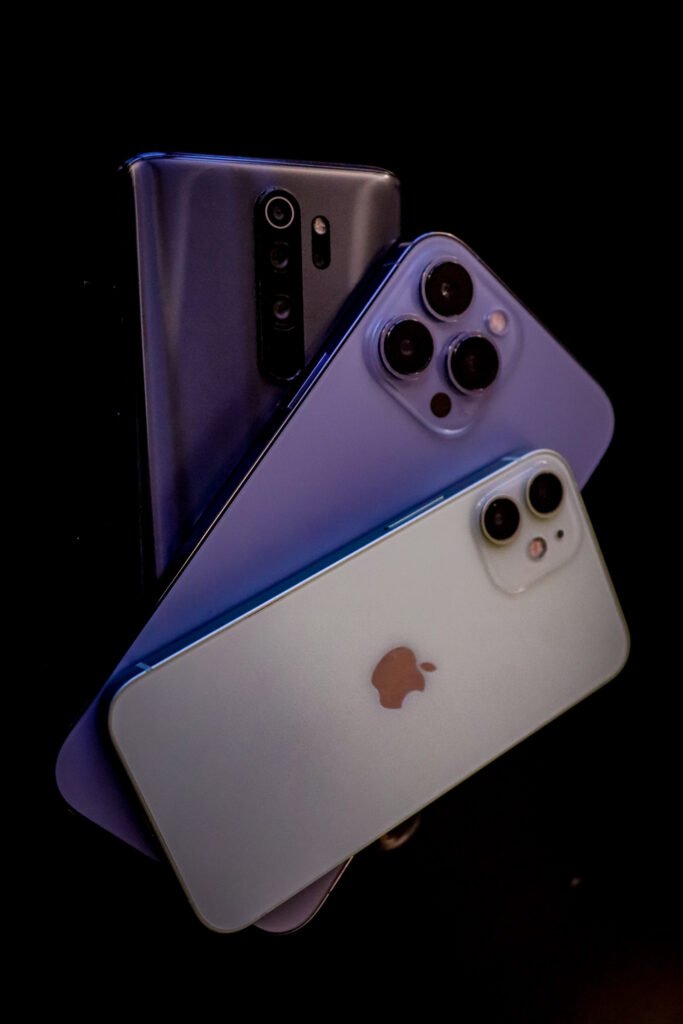
If you rely on your phone, use a dual-SIM phone or keep a spare handset with international calling and data turned on for when you land. iPhone users should take care: moving an eSIM to a new device can be tricky and may need help from your mobile provider.
To stay connected, buy a UK SIM card online before you travel, or pick one up from a shop in town rather than at the airport for a better deal.
4. Finding accommodation in the UK
If you’re planning a long-term move, sorting your accommodation should be one of your top priorities. London is the most expensive city, and rents vary a lot by zone. Living outside London is usually cheaper, but remember that monthly bills are extra.
For our first 35 days we stayed in an Airbnb, a budget-friendly alternative to hotels. You can also look at Booking.com, which we like for its book now, pay later option and free cancellation on many stays.
For a long-term rental in England, expect to pay a holding deposit of up to one week’s rent to reserve the property while referencing and background checks are done. After approval, you’ll usually pay a tenancy deposit of up to five weeks’ rent (for rents under £50,000 a year) plus the first month’s rent upfront. Your landlord must protect the deposit in a government-approved scheme.
Most UK rentals are cashless, so get your bank account ready. To search for homes, try Zoopla, Rightmove, OpenRent and SpareRoom. If you’re moving alone, flat shares are popular and good value. International students may be asked to pay several months’ rent in advance, so budget for that.


5. Getting from London airports into the city
London has six international airports, all well connected to the city.
- London City Airport (LCY): the closest airport to central London, in Newham. Take the DLR and change to the Tube.
- Heathrow (LHR): the main UK gateway for long-haul flights. The Heathrow Express runs non-stop to Paddington, the Elizabeth line runs across central London, and the Piccadilly line is the cheapest option. Taxis and Uber are available too.
- Gatwick (LGW): the UK’s second-busiest airport. Take the Gatwick Express or Southern to Victoria, or Thameslink to London Bridge and St Pancras.
- Luton (LTN): take the Luton Airport Express (East Midlands Railway) or Thameslink from St Pancras to Luton Airport Parkway, then the DART shuttle to the terminal.
- Stansted (STN): in Essex. The Stansted Express runs to Liverpool Street, and coaches run to several London stops.
- Southend (SEN): also in Essex, with Greater Anglia trains to Liverpool Street.

6. How much money to bring
Wondering how much money to bring when moving to the UK? As a rough guide from our own move, a couple could carry around £500 to £800 in cash and load about £1,000 on a travel or international card. If you’re moving alone or as a family, adjust this to suit.
Estimate your first daily costs, such as transport, groceries and a SIM card. This amount only covers your first few days and doesn’t include rent or the deposit, which you’ll need to arrange separately. Carry a mix of cash, card and digital payments so you’re covered.
7. Personal items and medication to pack
Packing a few personal essentials makes your first weeks much easier:
- Travel pillow and eye mask
- Toothbrush travel kit
- Sunglasses
- Daily moisturiser or body lotion
- Shampoo, body wash and face wash
- Sanitary products
- Make-up kit or grooming kit
- Bath towels and hand towels
- A set of bedsheets
- A lightweight blanket or duvet
- Clothes hangers
Medication: if you take regular medication, bring enough supply along with your doctor’s prescriptions. Pack basic medicines for coughs, colds, fever and digestion, as some items need a prescription in the UK. Bring a spare pair of glasses too, and register with a local GP soon after you arrive.
8. Adaptors and kitchen essentials
UK sockets use three-pin plugs, so most devices from abroad won’t fit. Pack a couple of universal adaptors, one each for the bedroom, kitchen and living room. If you have lots of devices, plug a multi-socket extension cable into one adaptor, as in the photo. It’s one of the most practical, space-saving tips for new arrivals.

Many UK homes come with a fitted kitchen, including a fridge, washing machine, microwave and often a dishwasher. It still helps to bring a few essentials, especially if you like cooking familiar dishes:
- Pots and pans that work on induction hobs
- A couple of plates that are microwave, fridge and dishwasher safe
- A few spoons and forks
- A rice strainer and a tea strainer
- A lemon squeezer and a grater
- A kitchen knife and scissors
If you cook Indian or similar food, a small pressure cooker, rolling pin, roti board and a few ground spices will help in the first weeks. You’ll also find a wide range of international foods and spices in UK supermarkets such as Asda, Tesco and Morrisons.
9. Clothes and shoes for UK weather
You’ll walk and use public transport a lot, so pack a comfortable pair of trainers. Even if you move in summer (June to August), bring a couple of light jackets for cooler evenings. Other clothes worth packing:
- At least one formal outfit, such as black or navy trousers or a skirt to pair with shirts and tops
- A couple of pairs of jeans
- Casual and formal shoes
- Jumpers or sweatshirts for layering
- Joggers and comfortable nightwear
- Gloves, scarves, socks and thermals for the colder months
- A few traditional outfits for festivals and celebrations
Wear or carry your winter coat on board so you have it as soon as you land.
10. Baggage allowance for your flight
Many long-haul airlines allow two checked bags of up to 23 kg each in economy, plus one cabin bag and a small personal item such as a laptop bag or handbag. Allowances and size limits vary a lot, so always check your airline’s baggage policy before you book. Some airlines offer extra allowance for students.
Weigh your bags at home with a luggage scale so you don’t pay excess baggage fees at the airport.
Tours and activities you might like
More from the UK
Once you’ve settled in, it’s time to explore. Browse our UK city break guides, including Bath, York and Bristol, and our London Christmas lights walking route.
Similar posts
-

Finn Lough Luxury Retreat: A Peaceful Escape in Northern Ireland
-

Christmas Markets in Colmar and Strasbourg 2026: Dates, Tips and Where to Stay
-

Visiting Colmar and Strasbourg: Your Ultimate Travel Guide to Alsace
-

Best Christmas Lights in London 2026: Free Walking Route Map
-

12 Must-Visit Places in Istanbul for First-Time Visitors (2026 Guide)
-

Best Albanian Riviera Hotels: Saranda, Ksamil and Vlore